




COPD Guidelines: The COPD-X plan
Version 2.73, December 2023
Lung Foundation Australia’s COPD Guidelines Committee, manages the co-branded Lung Foundation and Thoracic Society of Australia and New Zealand’s, “The COPD-X Plan: Australian and New Zealand guidelines for the management of chronic obstructive pulmonary disease”. To ensure you stay up-to-date with these guidelines, register below.
COPD-X Concise Guide
Updated 2020: This 40 page, fully searchable pdf document provides concise, practical, evidence-based recommendations for healthcare professionals on the diagnosis and management of patients with COPD.
Download
COPD-X is updated every quarter. Register here to receive free updates of the latest evidence in COPD
Other Clinical Resources to Support COPD Management
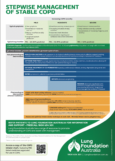
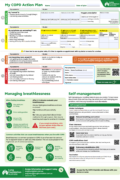
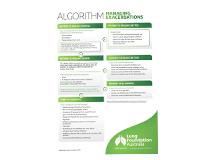
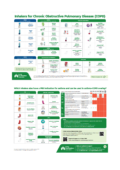
Endorsed by the following organisations according to their respective approved criteria:

![]()